
How Long Should a Garage Door Last? What Proper Maintenance Really Does

Garage doors are one of the hardest working systems in any building.
Whether it is a residential garage used multiple times a day or a commercial door cycling dozens of times per shift, most people do not think about their garage door until something stops working.
A common question we hear is this:
How long should a garage door actually last?
The answer depends on two things:
- The quality of the door and hardware
- Whether it is properly maintained
The Average Life Expectancy of a Garage Door
In general:
- A residential garage door can last 15 to 30 years
- Commercial doors typically last 10 to 20 years depending on use
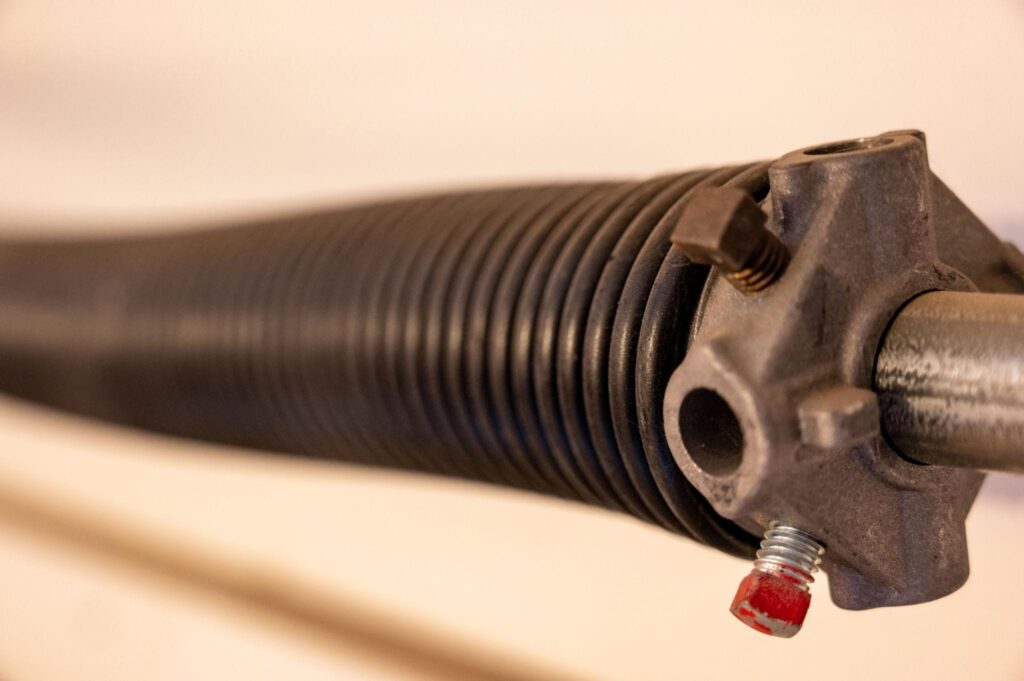
- Springs are usually rated for 10,000 to 25,000 cycles
- Rollers, cables, and hinges wear out much sooner than the panels themselves
The door panels themselves often outlast the moving parts. Most failures come from hardware fatigue, lack of lubrication, misalignment, or worn springs rather than the door structure.
That is where maintenance makes the difference.
What Shortens the Life of a Garage Door
Garage doors are mechanical systems. When small issues are ignored, they compound over time.
Common life shortening issues include:
- Dry or worn rollers
- Loose or unbalanced springs
- Frayed cables
- Misaligned tracks
- Lack of lubrication
- Safety systems out of adjustment
In commercial environments, high cycle use without routine inspections is one of the biggest causes of premature failure. In residential settings, seasonal temperature changes and lack of annual service are common contributors.
What Proper Maintenance Actually Does
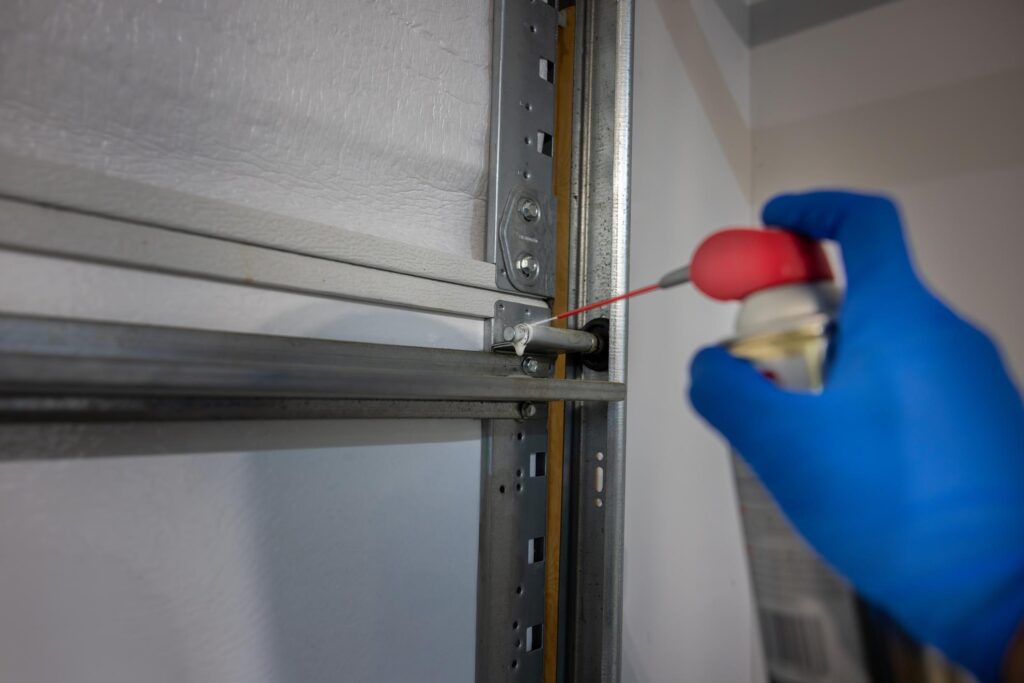
Routine maintenance is not just about preventing breakdowns. It extends the life of every moving component.
A proper service visit typically includes:
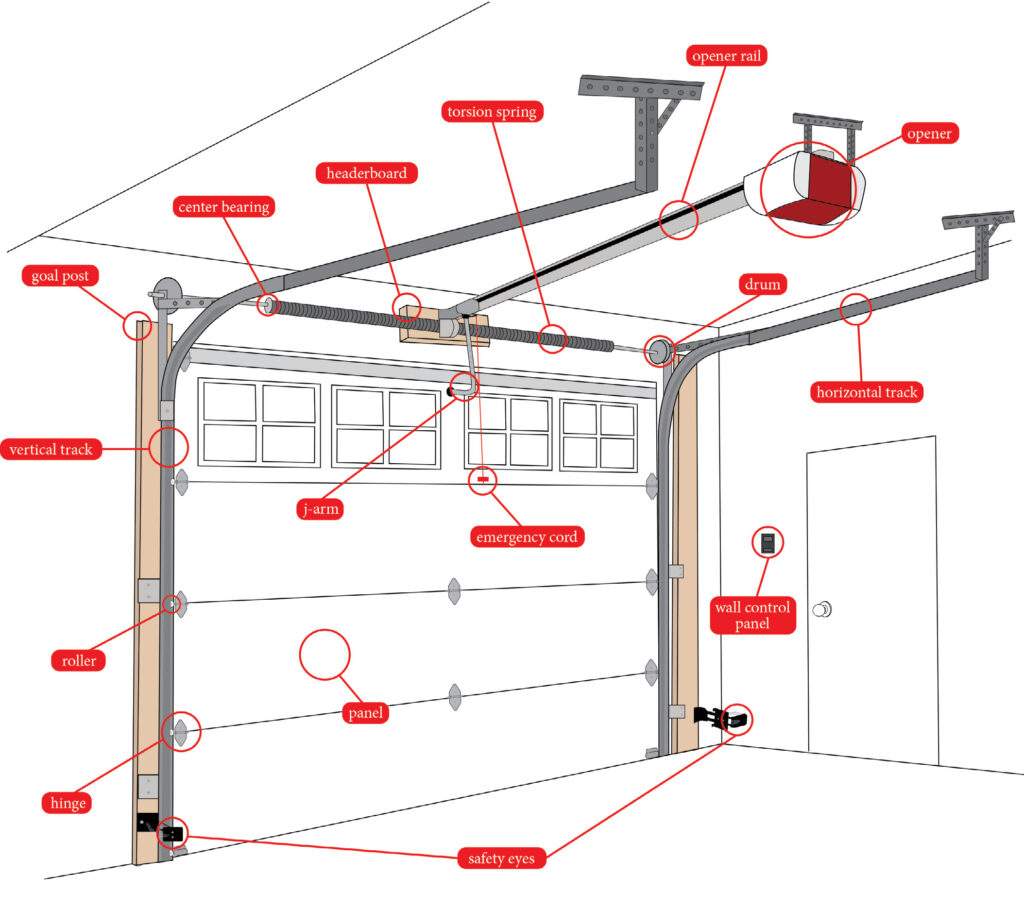
- Inspecting springs, cables, and hardware
- Checking balance and alignment
- Lubricating moving parts
- Testing safety systems
- Tightening hardware
- Identifying worn components before they fail
When small wear items are addressed early, you avoid larger repairs and unexpected downtime.
Over time, that directly impacts how long your door lasts.
Residential vs Commercial Use
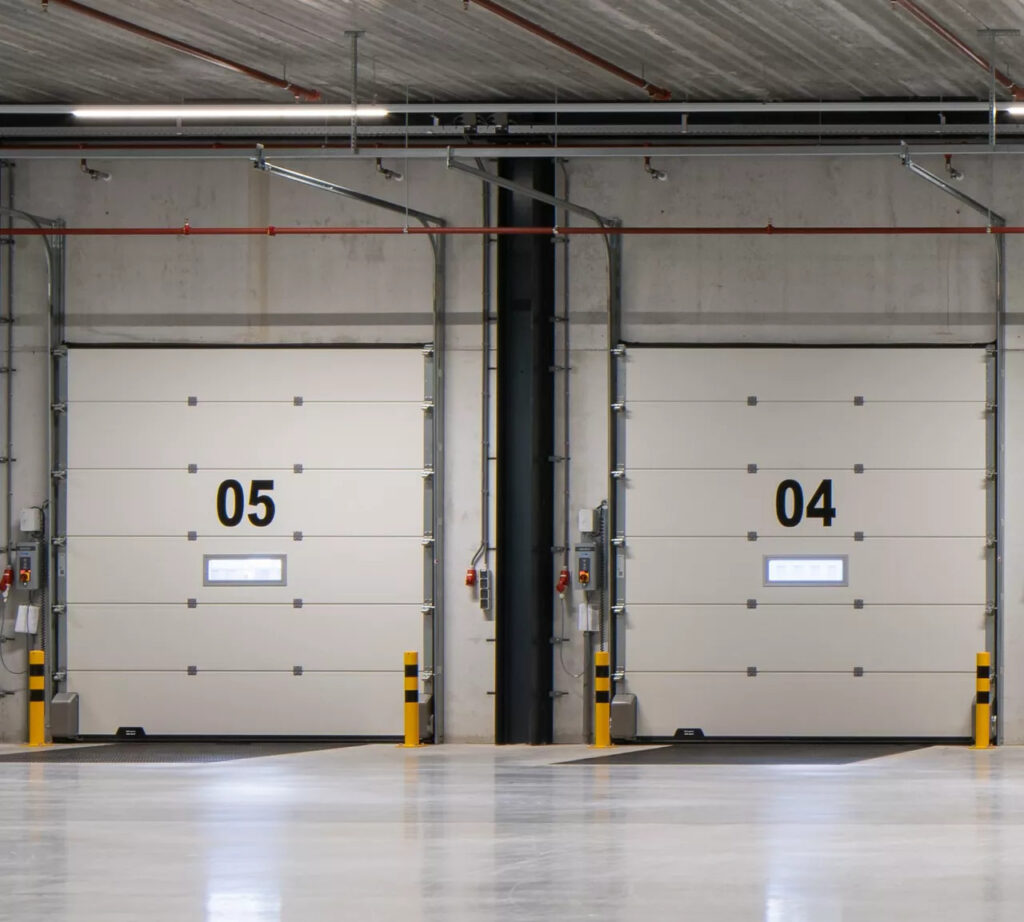
The difference between residential and commercial life expectancy often comes down to cycle count.
A residential door may open four to six times per day.
A commercial door at a warehouse or service facility may cycle 50 to 100 times daily.
Higher use does not mean shorter life if maintenance matches the demand. The key is servicing the system based on how it is used, not just the calendar.
Signs Your Garage Door May Be Nearing the End
Even with proper care, every system has a lifespan. Warning signs include:
- Increased noise or vibration
- Slower movement
- Uneven travel
- Repeated spring or cable issues
- Panels beginning to separate or rust
If these issues are recurring, it may be more cost effective to replace the system rather than continue repairing it.
The Bottom Line
A properly maintained garage door can last decades.
Most early failures are preventable. The difference between replacing a door at year ten versus year twenty often comes down to routine inspections and small corrections made along the way.
Whether your door serves your home or your facility, maintenance is what protects your investment.
Not Sure How Much Life Your Door Has Left? We Can Help.
If you are unsure how much life your current garage door system has left, a preventative maintenance inspection can give you a clear answer.
Our team services both residential and commercial garage doors and can evaluate the condition of your springs, hardware, safety systems, and overall performance.
A quick inspection today can help you avoid unexpected downtime tomorrow.
Contact Quality Overhead Door to schedule a service or maintenance visit.