
Can LED and Holiday Lights Interfere With Your Garage Door Opener?
You pull into the driveway, press your garage door remote, and nothing happens.
You press it again. Still nothing.
The strange part? Your garage door opener was working perfectly fine just a few days ago.
During the fall and holiday season, homeowners begin plugging in more decorative lighting, replacing bulbs, and adding powered decorations around their homes. What many people do not realize is that certain LED lights and electrical devices can interfere with the radio signal used by a garage door remote.
If your garage door remote suddenly has less range, only works sometimes, or stops responding altogether, the problem may not actually be the remote or opener.
Here’s what you should know.
How Does Your Garage Door Remote Communicate With the Opener?
Your garage door remote sends a radio frequency signal to a receiver inside the garage door opener. When you press the button, the opener recognizes the signal and activates the door.
Normally, this happens almost instantly. However, other electronic devices can sometimes create radio frequency interference, commonly called RF interference. When that interference becomes strong enough, it can make it harder for the opener to receive the signal from your remote.
Think of it like trying to hear someone talking while another loud noise is happening nearby. The original signal is still there, but the interference makes it more difficult for the receiver to recognize it.
Can LED Lights Really Interfere With a Garage Door Opener?
They can, but not every LED light will cause a problem.
Certain LED bulbs and their internal electronic components can generate radio frequency noise while operating. If that noise affects the frequencies used by the garage door system, remote performance can suffer. Genie’s guidance on LED bulbs and remote range describes this potential interference.
One of the biggest clues is a sudden change in remote range. You may notice that your remote previously worked from the street but now only works when you’re directly outside the garage. In other situations, the remote may work perfectly when certain lights are turned off but become unreliable when those lights are on.
That type of behavior can point toward electrical interference rather than a mechanical garage door problem.
What About Holiday Lights and Decorations?
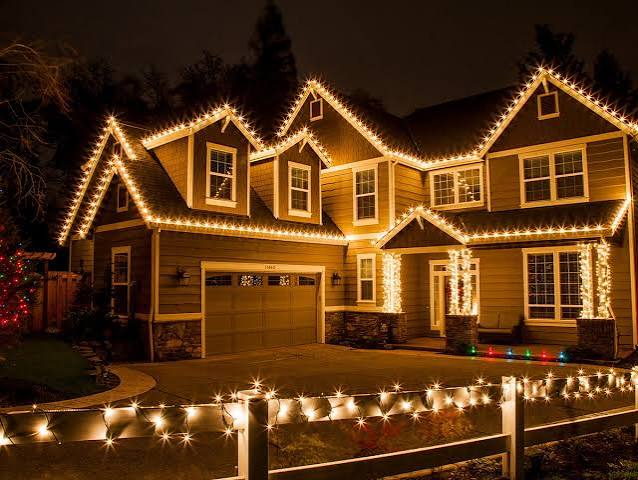
Holiday lighting introduces another variable. During the fall and winter, homeowners may add strings of LED lights, outdoor decorations, power supplies, controllers, and other powered devices around the garage.
The electronics in some of these devices can create radio frequency noise. That does not mean you need to stop decorating your home. It simply means holiday lighting should be considered when troubleshooting a garage door remote that suddenly starts behaving differently around the same time decorations go up.
If your remote worked normally before decorating and suddenly develops problems afterward, that timing is worth paying attention to.
Signs You May Be Dealing With Radio Frequency Interference
RF interference can look different from a mechanical garage door problem. Some common symptoms include:
- The wall button operates the door normally, but the remote does not
- Your remote range suddenly becomes much shorter
- The remote works inconsistently
- Multiple remotes begin having the same problem
- The remote works when certain lights are turned off
- The problem began shortly after installing new LED bulbs or holiday decorations
These clues can help narrow down the source of the problem, but they do not confirm interference on their own. A weak remote battery or an enabled lock/vacation feature can cause similar symptoms.

A Simple Test Homeowners Can Try
If you recently installed LED lighting or holiday decorations and your garage door remote suddenly stopped working correctly, there is a simple troubleshooting step you can try.
Turn the suspected lights or decorations off and test the garage door remote again from the same location. If needed, unplug only safely accessible plug-in decorations to remove power from their controllers. Leave the garage door opener powered so it can receive the remote signal.
If the remote begins working normally or its range noticeably improves, one of those devices may be creating interference. You can then turn devices back on individually to help narrow down which one may be responsible.
Keep the door in sight and people, pets, and belongings clear whenever testing it. Do not open electrical housings, modify wiring, or disconnect safety devices. If the door is crooked, jammed, or moving unsafely, stop using it and request service.
Along with checking for a fresh, correctly installed remote battery and making sure the wall control’s lock feature is off, this can help you avoid replacing remotes or opener components before understanding the actual cause.
Don’t Forget About the Bulbs Inside the Garage Door Opener
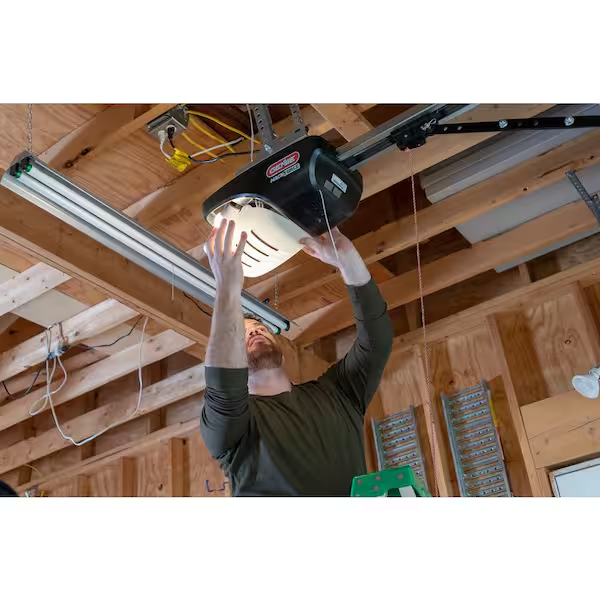
Sometimes the source of interference is even closer to the opener. Many garage door openers have built-in lights, and homeowners sometimes replace the original bulbs with LED bulbs.
If an incompatible LED bulb creates radio frequency interference, it can affect the receiver located only inches away inside the opener. If your remote problems began shortly after replacing an opener light bulb, that is one of the first things worth checking.
For openers with replaceable bulbs, follow the manufacturer’s instructions for approved bulb types and maximum wattage. Disconnect opener power and let the bulb cool before changing it. Bulbs designed and tested for garage door openers can help reduce interference. If your model has integrated LED lighting instead, follow its model-specific service guidance rather than trying to replace the light assembly yourself.
It Might Not Be the Lights
While lighting can cause interference, it is important not to assume that every remote problem is related to LEDs. Reduced range or inconsistent operation can also be caused by:
- Weak remote batteries
- A damaged remote or lost programming
- An enabled lock/vacation feature
- Antenna issues
- Receiver problems
- Electrical issues
- Opener components beginning to fail
That is why troubleshooting the symptoms matters. For example, Chamberlain explains that an enabled wall-control lock can prevent remote operation while the wall control still works.
If turning off nearby lighting makes no difference, there may be another issue with the garage door opener or remote system that needs to be inspected. Learn more about our garage door remote replacement and programming services.
When Should You Call a Garage Door Professional?
If you’ve changed batteries, checked the lock feature, tested nearby lighting, and your garage door remote is still unreliable, it may be time to have the system looked at.
A trained garage door technician can help determine whether the problem is related to interference, the remote, the opener receiver, or another component within the system. Our garage door opener repair service starts with identifying the cause.
The goal should be to identify the actual cause rather than simply replacing parts until the problem disappears.
Having Trouble With Your Garage Door Opener? We’re Here to Help.
Garage door problems are not always mechanical. Sometimes something as simple as a new light bulb or holiday decoration can create a frustrating problem that is difficult to diagnose if you do not know what to look for.
At Quality Overhead Door, our team works with garage door openers, remotes, safety systems, and complete garage door systems throughout Southeast Idaho. If your opener is behaving differently, your remote range has suddenly changed, or you simply have questions about how your system should be operating, we’re here to help.
Contact Quality Overhead Door and let our team help you get to the bottom of the problem, or call (208) 233-3667.