Lift Clearance Track vs Standard Track: What’s the Difference?
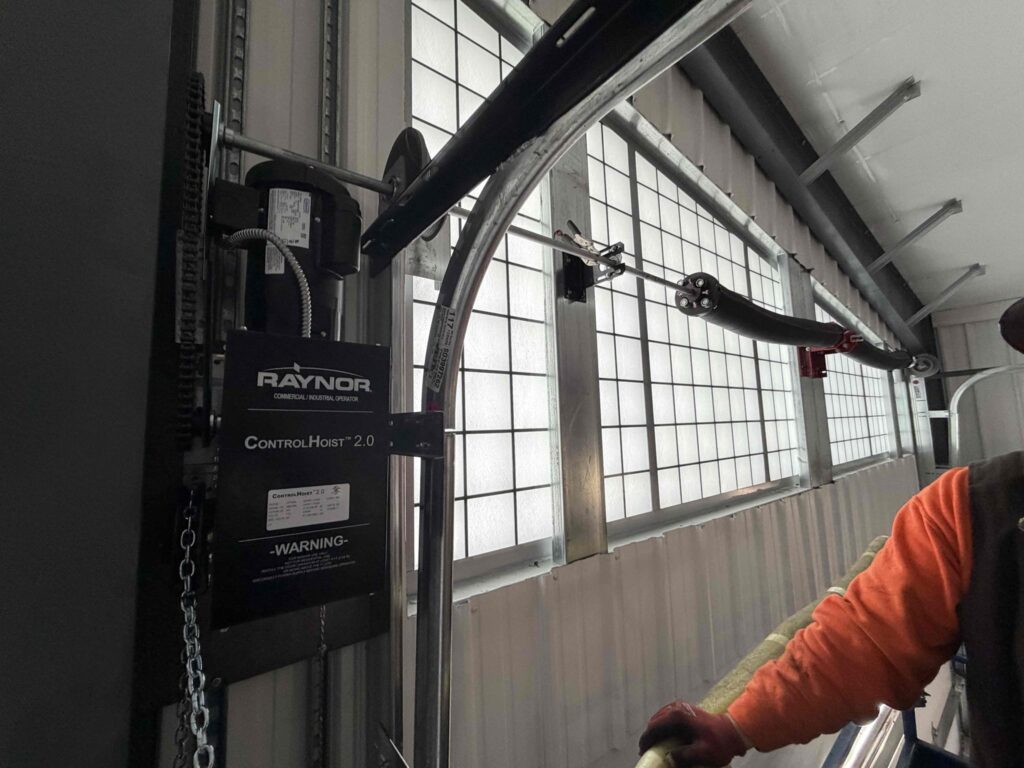
When planning a new garage door or commercial overhead door, most people focus on the door itself. But one of the most important parts of the system is something many homeowners and building owners never think about.
The track setup.
Choosing the right track system can impact ceiling clearance, usable space inside the building, vehicle access, and even what type of opener can be used.
Two of the most common setups are standard track and lift clearance track, sometimes called high-lift track. While both systems allow the door to operate properly, they are designed for different types of buildings and different clearance needs.
Understanding the difference can help you choose the right setup for your garage, shop, warehouse, or commercial building.
What Is Standard Track?
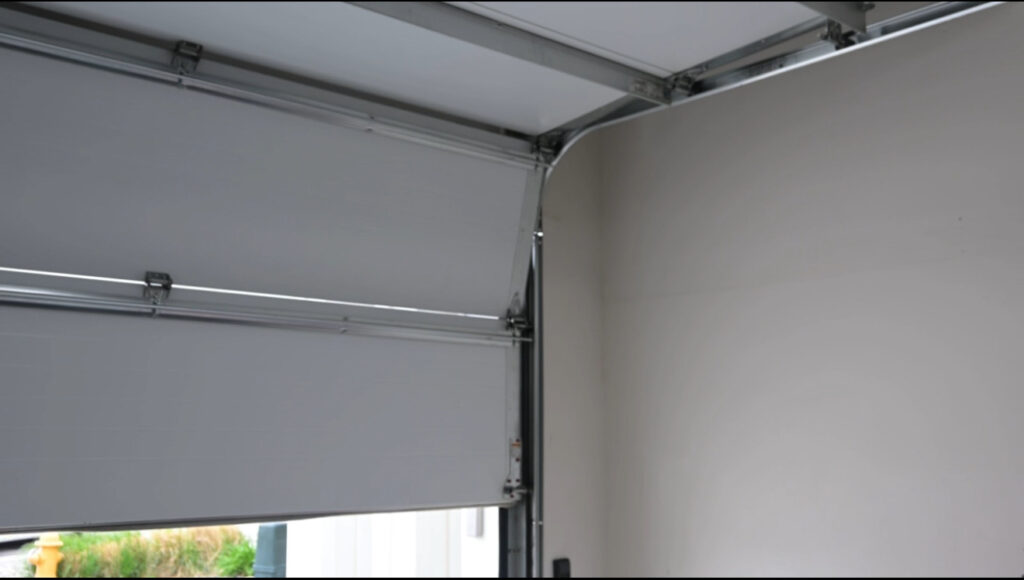
Standard track is the most common garage door track setup used in residential and many commercial applications.
With standard track, the door travels upward for a short distance before curving back horizontally into the building. When the door is fully open, most of it sits overhead below the ceiling.
This setup works well for many homes, shops, and commercial buildings where there is enough space for the horizontal track to extend back into the structure.
Because it is simple, reliable, and cost effective, standard track is often the best option for traditional garage layouts.
What Is Lift Clearance Track?
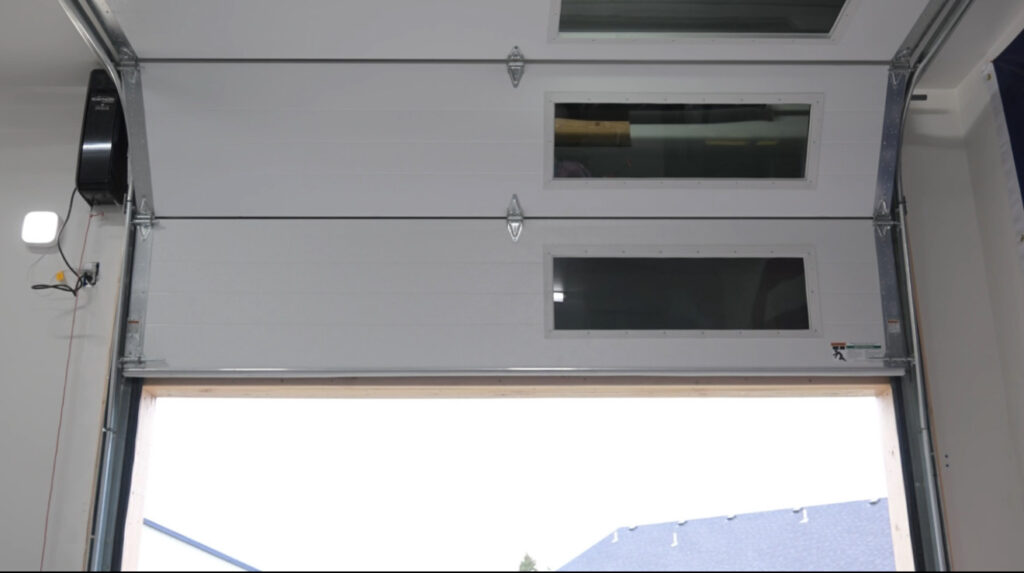
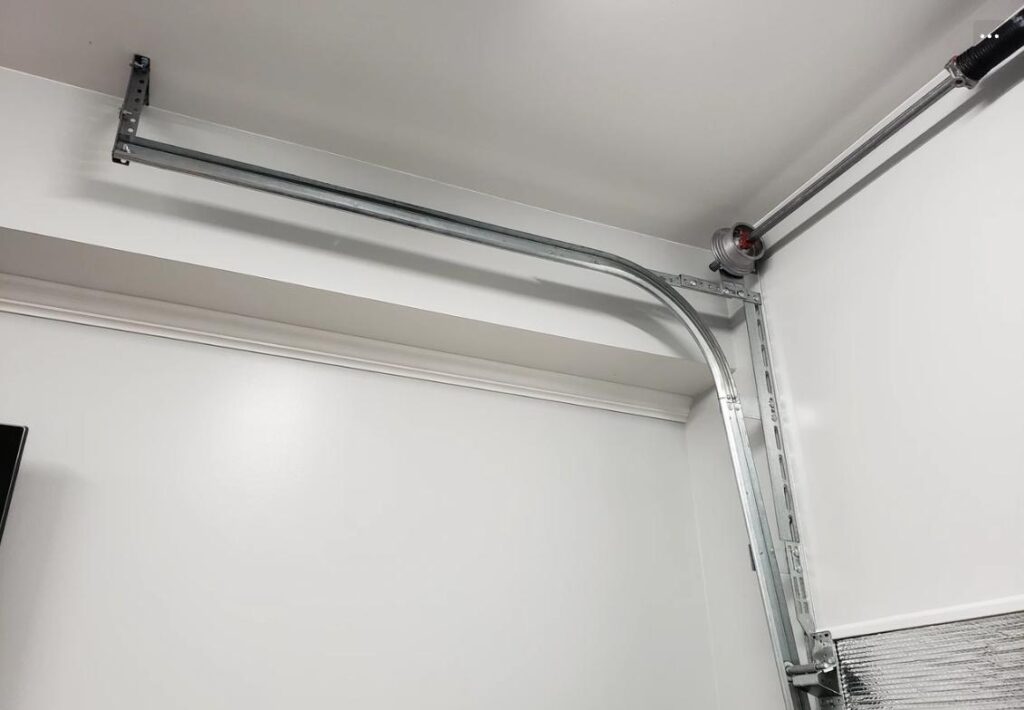
Lift clearance track is designed to move the garage door higher up the wall before it turns back into the building.
Instead of the door curving back shortly after leaving the opening, lift clearance track allows the door to travel farther upward first. This helps position the open door closer to the ceiling and creates more usable space underneath.
Lift clearance track is commonly used in shops, warehouses, commercial buildings, and garages where maximizing overhead clearance is important.
This type of setup can make a major difference in how usable the space feels, especially for buildings with vehicle lifts, taller equipment, trailers, boats, campers, storage racks, or active work areas near the door opening.
The Biggest Difference Between the Two
The biggest difference between standard track and lift clearance track is where the door sits when it is fully open.
With standard track, the open door typically hangs lower inside the building.
With lift clearance track, the door travels higher before turning back, helping move the open door closer to the ceiling.
That added clearance may not seem significant at first, but in many garages and shops it can dramatically improve usable space and reduce interference with equipment or work areas.
When Standard Track Makes Sense
Standard track is usually the right choice when:
• Ceiling height is limited
• There are obstructions above the opening
• Extra overhead clearance is not needed
• The building has a traditional garage layout
• A simple and cost effective setup is preferred
For many residential garages and standard shop layouts, standard track works perfectly well and provides dependable long term performance.
When Lift Clearance Track Makes Sense
Lift clearance track is often the better option when:
• The building has extra headroom available
• You want the door to sit higher when open
• You need more usable space below the door
• Taller vehicles or equipment are being used
• You want to maximize workspace inside the building
• Vehicle lifts, trailers, campers, or storage racks are involved
This setup is especially popular in commercial shops and custom garages where overhead space matters.
Can an Existing Garage Door Be Converted?
In many cases, yes.
If the building has enough available headroom above the opening, an existing standard track system can often be converted to lift clearance track. This can improve overhead clearance without replacing the entire door.
However, a conversion usually requires more than just changing the track.
Additional components often need to be replaced or adjusted, including:
• Vertical and horizontal track sections
• Springs and cables
• Drums and shaft components
• Opener setup and mounting configuration
In some cases, the existing opener may also need to be replaced.
For example, a traditional trolley opener mounted in the center of the ceiling may not work properly with lift clearance track. Many lift clearance systems require a jackshaft opener mounted beside the door instead.
Does Lift Clearance Track Cost More?
For most residential garage doors, the price difference between standard track and lift clearance track is usually fairly minimal, especially if it is planned before the door is ordered.
If the garage has enough headroom available, lift clearance track can be a very worthwhile upgrade because it helps maximize usable space and creates a cleaner overhead layout.
The cost difference becomes more noticeable on larger commercial doors.
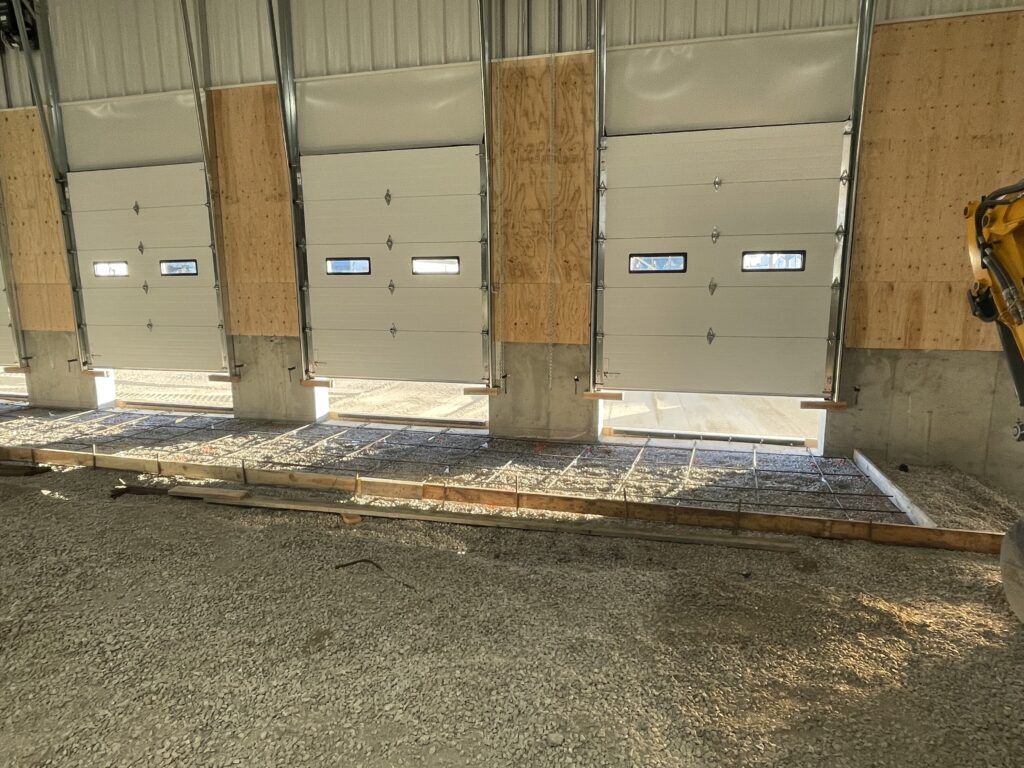
Commercial lift clearance setups may require different springs, track configurations, shaft setups, cables, drums, and operator systems depending on the size and weight of the door.
Because of this, every building should be evaluated individually before deciding which setup makes the most sense.
Why Proper Measurements Matter
Accurate measurements are critical when planning any overhead door system, especially lift clearance track.
Factors such as:
• Ceiling height
• Available headroom
• Roof pitch
• Lighting placement
• Ductwork
• Beams and obstructions
• Opener placement
all need to be considered before materials are ordered.
If measurements are incorrect, the door may not fit or operate properly.
That is why it is important to evaluate the entire opening and surrounding space before deciding on a track configuration.
Which Track Option Is Better?
Neither option is automatically better. The right choice depends on the building and how the space will actually be used.
Standard track is a great solution for traditional garage layouts where extra overhead clearance is not necessary.
Lift clearance track is a better fit when maximizing ceiling space and improving usable clearance inside the building are priorities.
The key is choosing the setup that best matches the layout of the space and the long term needs of the customer.
Need Help Choosing the Right Track Setup?
Choosing between standard track and lift clearance track depends on the building, the available space, and how the door will actually be used.
At Quality Overhead Door, we help homeowners and business owners evaluate their space and recommend the right setup for long term performance, usability, and reliability.
Whether you are planning a new installation or looking to convert an existing garage door system, our team can help you find the right solution for your building.