Signs Your Garage Door Is No Longer Properly Balanced
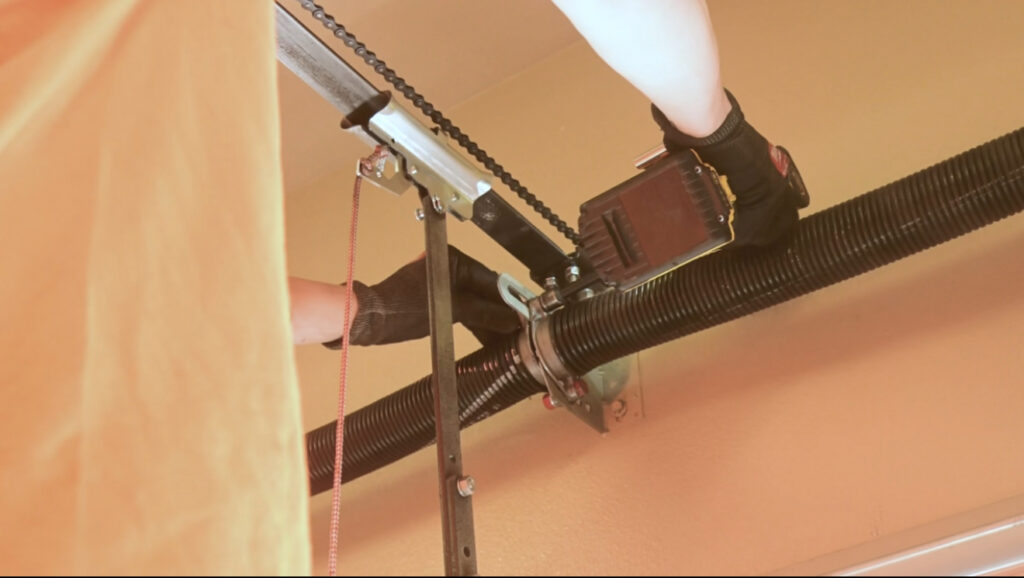
Your garage door may look simple from the outside, but it is actually a carefully balanced system.
Every time you open or close the door, the springs are working to counterbalance hundreds of pounds of weight. When everything is adjusted correctly, the door operates smoothly, safely, and with very little effort.
When that balance begins to change, problems can develop quickly.
A garage door that is no longer properly balanced can place excessive strain on the opener, wear out components faster, and create potential safety concerns.
Knowing the warning signs can help you address small issues before they become expensive repairs.
What Does It Mean for a Garage Door to Be Balanced?
A properly balanced garage door is one where the springs are carrying the majority of the door’s weight.
The opener is not designed to lift the full weight of the door. Its job is simply to guide the door through its travel.
When the springs are adjusted correctly, the door should move smoothly and remain relatively stable throughout the opening and closing process.
As springs age and components wear, that balance can change.
Sign #1: The Door Feels Heavy
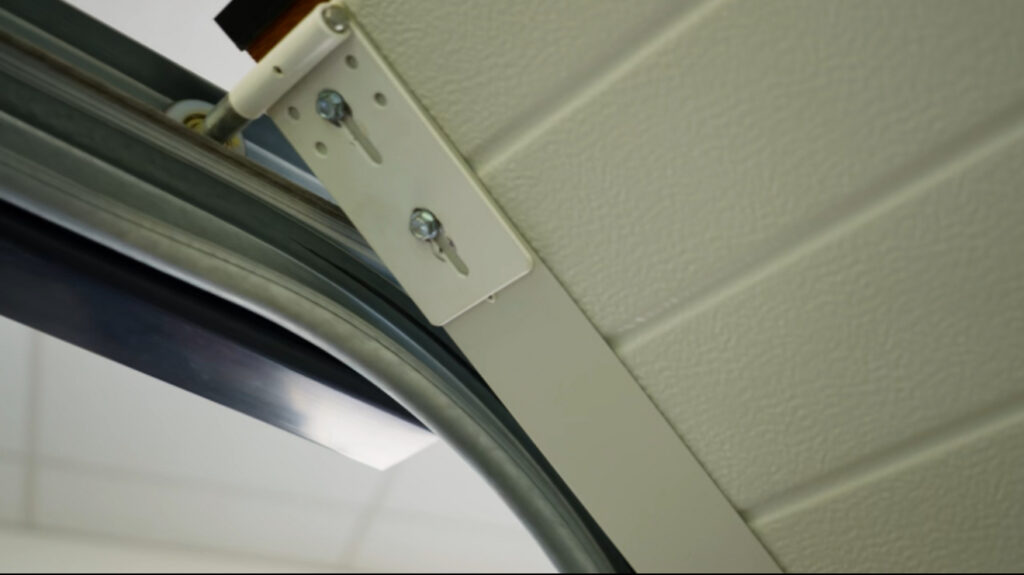
One of the most common signs of a balance issue is a garage door that suddenly feels heavier than normal.
If the springs are losing tension, the door becomes more difficult to lift manually.
Many homeowners first notice this when pulling the emergency release and attempting to operate the door by hand.
A properly balanced door should lift smoothly with minimal effort.
If it feels unusually heavy, the springs may need adjustment or replacement.
Sign #2: The Door Will Not Stay in Place
A simple test can often reveal a balance issue.
With the opener disconnected, carefully raise the door halfway and release it.
A properly balanced garage door should remain near that position.
If the door immediately drops toward the floor or continues rising on its own, the spring tension may no longer be properly adjusted.
This is one of the clearest indicators that the system needs professional attention.
Sign #3: The Garage Door Opener Seems to Be Working Harder
Your opener should not be doing all the lifting.
When a door becomes unbalanced, the opener is forced to compensate for the additional weight.
Common signs include:
• Slower operation
• Excessive vibration
• Straining sounds from the opener
• Frequent adjustments to force settings
Over time, an unbalanced door can significantly shorten the life of the opener.
Sign #4: The Door Opens Unevenly
A balanced garage door should move evenly from both sides.
If one side appears to rise faster than the other, or the door looks crooked during operation, there may be an issue with the springs, cables, or other hardware.
Ignoring this problem can place additional stress on the entire system and increase the likelihood of future repairs.
Sign #5: Increased Noise During Operation
Garage doors naturally make some noise, but sudden changes should not be ignored.
An unbalanced system often creates:
• Popping sounds
• Jerking movements
• Excessive vibration
• Louder than normal operation
These symptoms may indicate that components are being subjected to more stress than intended.
Sign #6: Springs Showing Signs of Wear
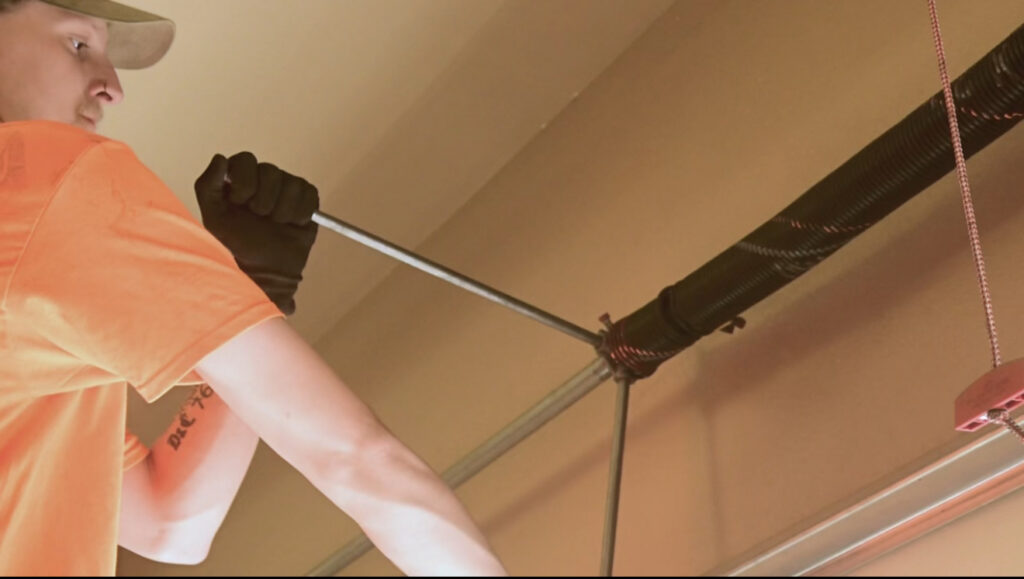
Garage door springs have a limited lifespan.
Over time they lose tension and eventually need replacement.
Visible signs of wear may include:
• Gaps in the spring coils
• Rust or corrosion
• Stretching or distortion
• Uneven spring appearance
As springs age, maintaining proper balance becomes increasingly difficult.
Why Balance Matters
Many homeowners assume that if the door still opens and closes, everything must be working properly.
Unfortunately, that is not always the case.
An unbalanced garage door can lead to:
• Premature opener failure
• Increased wear on rollers and hinges
• Additional stress on cables and hardware
• Reduced overall lifespan of the system
• Potential safety concerns
Addressing balance issues early is often far less expensive than waiting for additional components to fail.
Can You Check Garage Door Balance Yourself?
There are a few basic observations homeowners can make, such as noticing unusual operation or performing the halfway test.
However, spring adjustments should always be left to trained professionals.
Garage door springs are under significant tension and can be dangerous to work on without the proper tools and experience.
If you suspect your garage door is no longer properly balanced, it is best to have the system professionally inspected.
Here to Help Keep Your Garage Door Operating Safely
A properly balanced garage door operates more smoothly, places less strain on the opener, and helps extend the life of the entire system.
At Quality Overhead Door, we inspect and service garage door systems throughout Southeast Idaho. Whether your door is showing signs of imbalance or you simply want peace of mind that everything is operating correctly, our team can help.
Contact Quality Overhead Door to schedule an inspection and keep your garage door performing the way it should.